

Why an Apology Is Not Enough: The Work of Relational Repair
A look at the critical distinction between saying "I'm sorry" and doing the deeper, research-backed work of relational repair. This post examines how couples can move past repetitive arguments, regulate their nervous systems, and actively rebuild trust after a rupture.

Understanding Shame and High Achievement: The Internal Cost of Performance-Based Worth
An analytical look at how early survival strategies drive chronic overworking, perfectionism, and high standards. Discover the psychological mechanism behind performance-based self-worth and how therapy helps high achievers separate utility from intrinsic value.

Intellectualization: The Defense of All Defenses
Explore how high achievers use logic, analysis, and intellect as a sophisticated shield against emotional pain. Learn why cognitive insight alone cannot resolve deep-seated anxiety and how somatic therapy helps re-establish safety within the body.

Beyond Infidelity: Understanding the Spectrum of Betrayal Trauma
Betrayal trauma is far more than the pain of a lie; it is a profound psychological injury that occurs when a primary source of safety becomes a source of threat. From financial deception to gaslighting and infidelity, these violations trigger a neurobiological crisis that can take years to heal. Recognizing that your symptoms—like hypervigilance and intrusive thoughts—are legitimate trauma responses is the first step toward rebuilding a sense of safety and moving toward genuine recovery.

The False Self: Why We Trade Authenticity for Attachment
Do you struggle to identify what you need? For many high-achievers, being "low-maintenance" is a survival strategy learned in childhood. Explore the origins of the "False Self," the biology of attachment, and why you must risk being "needy" to find true intimacy.
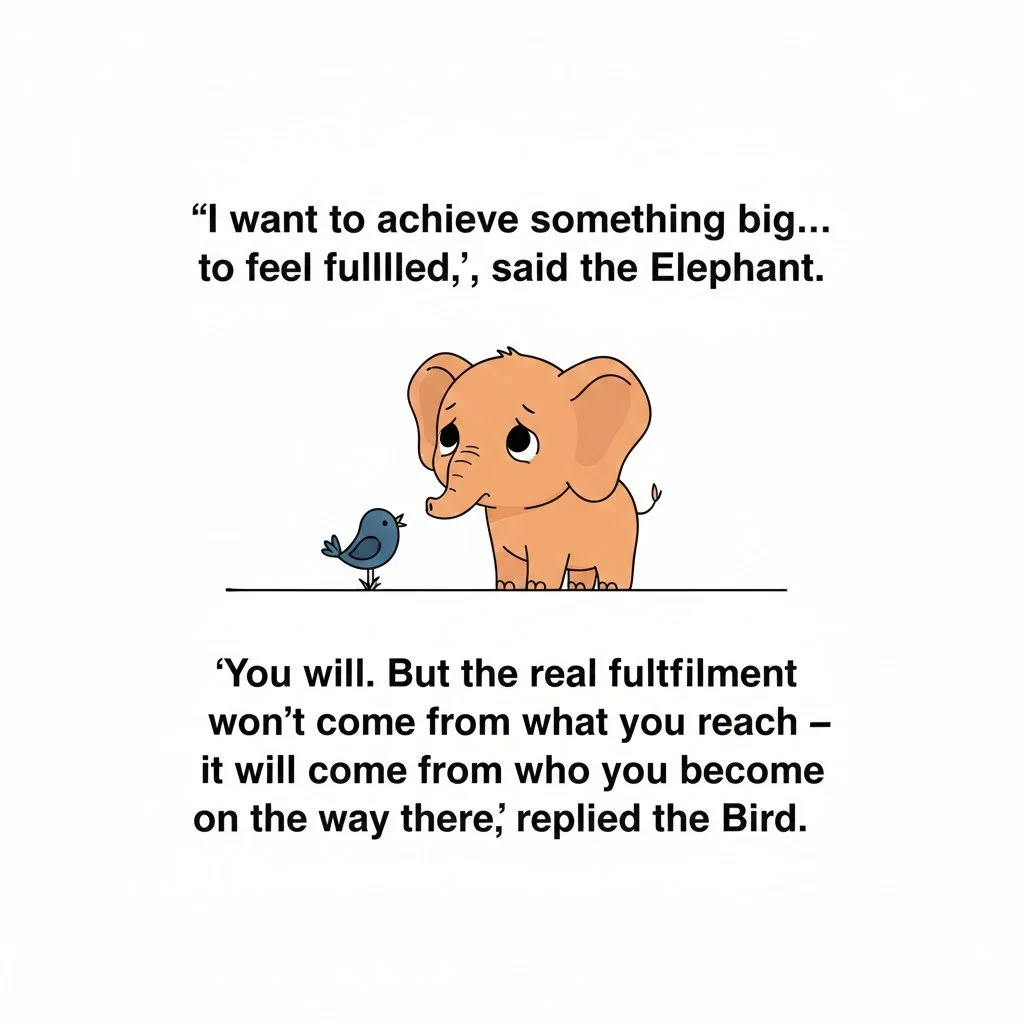
The Stranger in the Mirror: Why Success Can Feel Like a Loss of Self
The emptiness you feel at the top isn't a gratitude problem; it’s an identity crisis. Explore the psychological distinction between your "Inherited Self" and your "Intrinsic Self," and why success often requires a loss of self that must be reclaimed.

When The Past Is In The Present: Attachment, Attunement, and Why We Repeat What We Don’t Repair
We don’t just leave our childhoods behind; we carry them into every relationship we enter. If you’ve ever wondered why you have the same fight over and over, or why a small comment triggers a reaction that feels out of proportion, the answer usually lies in your history, not your current reality. This post isn’t about blaming your parents—it’s about understanding the internal model that runs your life so you can finally stop repeating it.

Kintsugi: From Rupture to Repair
In the aftermath of betrayal or deep conflict, the instinct is to try to force things back to how they were. But true repair isn't about erasing the damage. Explore how the philosophy of Kintsugi guides us to stop hiding the cracks and start filling them with gold—building a relationship that is different, resilient, and finally real.
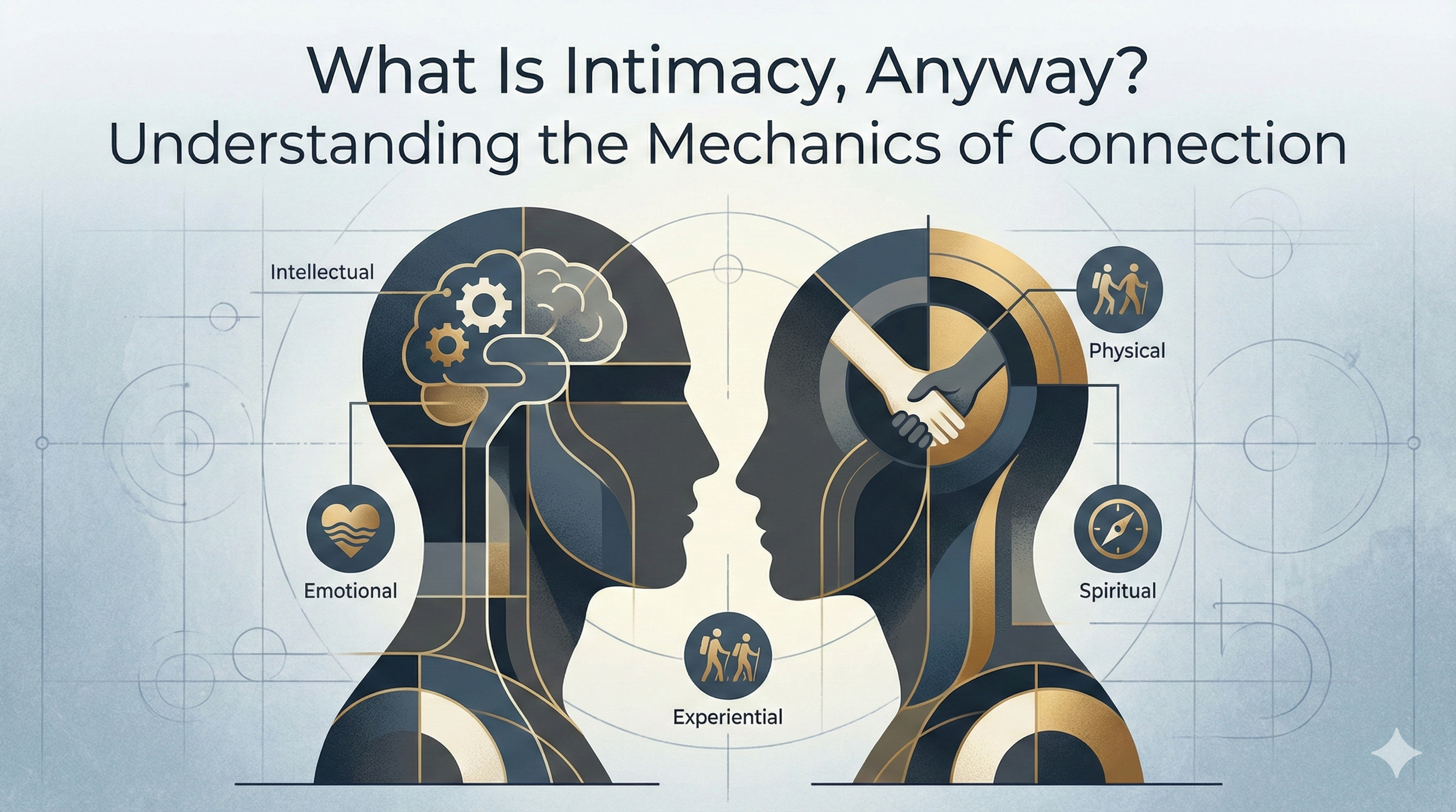
More Than Just Closeness: Defining True Intimacy in a Disconnected World
Explore the 5 mechanics of connection—from intellectual to spiritual—and learn how to move beyond the "roommate phase" to reclaim a relationship of depth.

The Myth of the "Affair-Proof" Relationship
There is no checklist that can guarantee immunity from betrayal. But research shows that true protection comes from self-awareness, not surveillance. Discover why the question "What compromises your integrity?" is the most important one you can ask, and how understanding your own shadow protects your relationship.

A Guide to the Different Types of Couples Therapy: Philosophies, Benefits, and Drawbacks
From the structured tools of Gottman to the emotional depth of EFT, every therapy style has its strengths and its blind spots. A breakdown of the major couples therapy models, who they help most, and the common criticisms of each.

Why Couples Get Stuck in Therapy (and How a Directive Approach Can Help)
Couples therapy can be a lifeline for relationships in distress. But sometimes, even with the best intentions, couples find themselves stuck in cycles of conflict and misunderstanding, unable to make meaningful progress. It's like trying to navigate a complex maze blindfolded – you keep running into the same walls. Why does this happen? And what can be done to break through these barriers?

What Your Body’s Trying to Tell You About Stress (And Why It Matters)
Feeling exhausted, irritable, and not yourself? It might be allostatic load—the wear and tear of chronic stress. Learn why you feel this way and how to break the cycle.
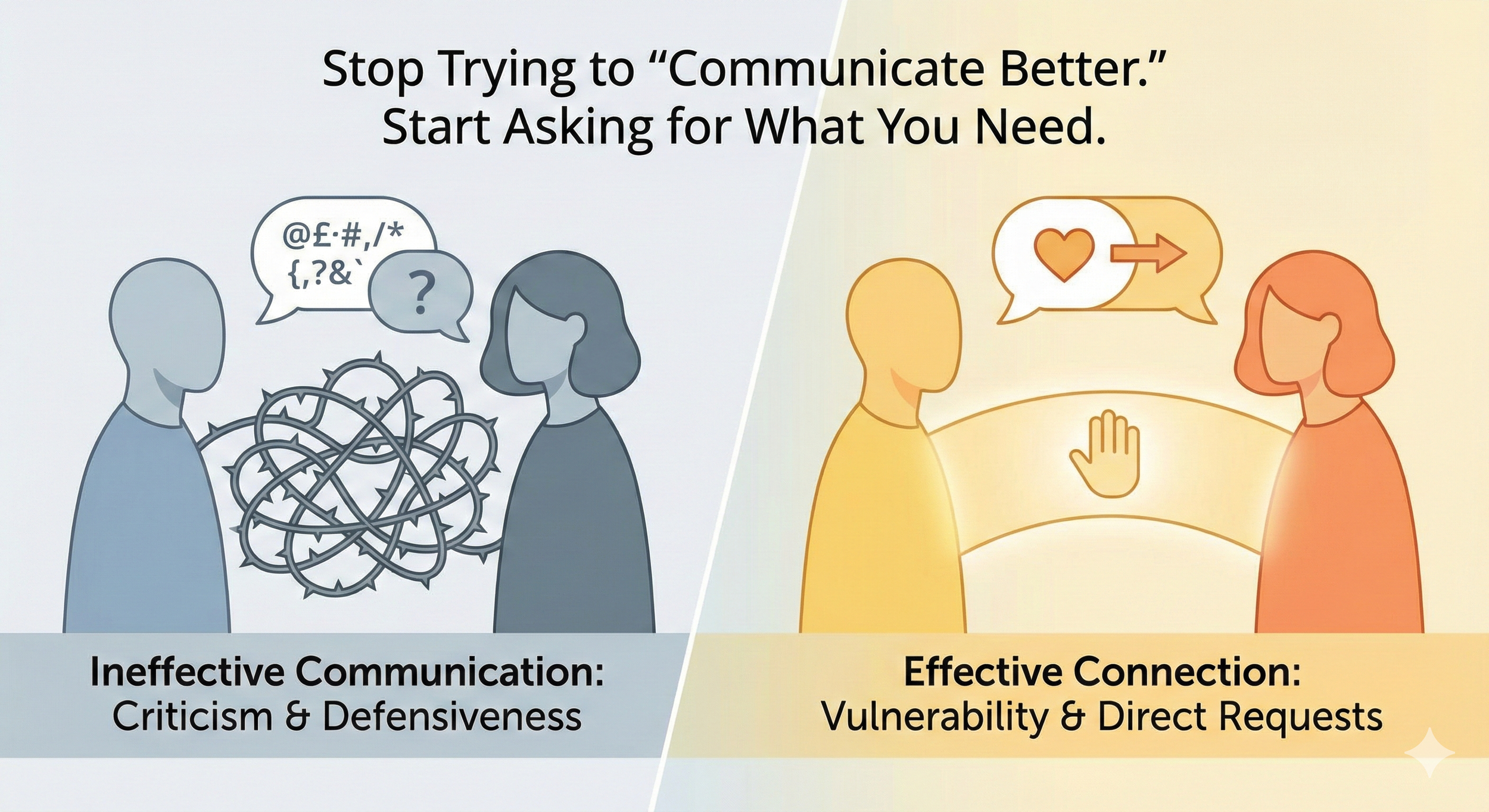
Stop Trying to "Communicate Better." Start Asking for What You Need.
"We just need to communicate better" is the most common, and often wrong, diagnosis couples make. You don't need more words; you need more courage. A look at the science of "bids for connection" and why stating your needs clearly is the ultimate relationship hack.

Making Time For Play, Yes, Really
Your brain is demanding you play. Learn why scheduling unstructured, joyful activities is the ultimate productivity hack and the most powerful tool against burnout. It's time to do something for no reason

Lonliness Hurts
Loneliness registers in the brain as physical pain because connection is a survival need. An exploration of the biology of social hunger, the history of isolation, and why high achievers often struggle the most with the shame of being alone.

The Love Language No One Talks About
Wish your partner could read your mind? Your fairy tale just got an upgrade! Learn how to build your own 'mind-reader' with the 6th Love Language and transform your partnership. Get the cheat codes here!

Understanding Betrayal Trauma: What Both Partners Need to Know About the Healing Process
Healing from betrayal is a slow, neurobiological process that often takes time. This article explores why the brain remains in a state of trauma even after changes are made, the impact of helplessness and shame on the recovery timeline, and how couples can move from crisis to genuine safety through patience and consistent repair.

The Line Between Ambition and Addiction: Are You a Hard Worker or a Workaholic?
For driven professionals, success at work often strains the most important relationship. Learn why capable partners feel overextended, the cognitive cost of constant firefighting, and a strategic path to rebuild connection without sacrificing ambition.